Angela Merkel’s Return to Chancellorship

By Berlin, Germany correspondent D. Wolfgang Spitz-Bubel reporting from Frankfurt/Main

Germany’s Christian Democrats have attained the largest number of seats in the recent federal election by a significant margin. Friedrich Merz’s cunning election strategy was to re-engage with traditional CDU supporters during the election campaign, out-paced the right-wing extremist AfD that steadfastly and deceptively continues to campaign as libertarian, conservative.
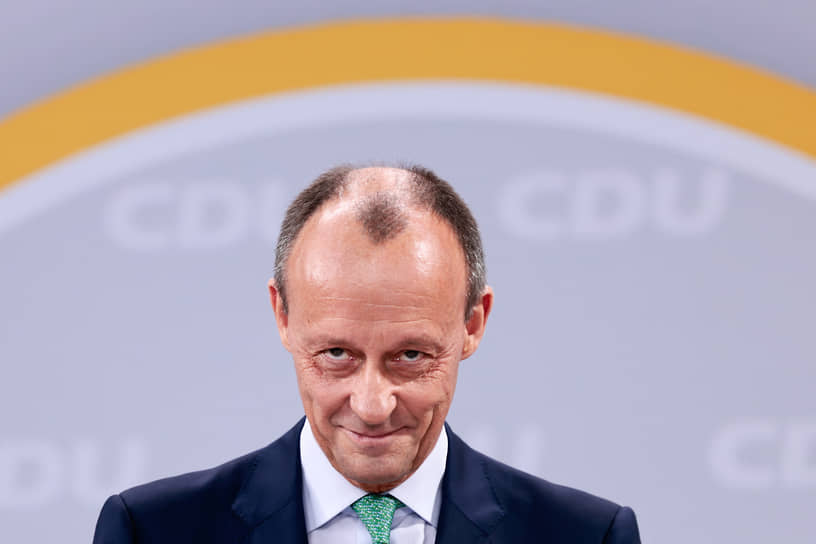
Merz’s prospects to be formally elected as Chancellor have been diminished by his inability to implement what he really wanted; despite his purchase of the still sitting, but outgoing government, to change the constitution, allowing unlimited budget deficits. However, despite his extreme political flexibility, Merz has been unable to form a majority coalition and the Party has called for a more effective candidate in the post-Easter election.

Merkel remains tight-lipped.

Reading from Canada’s recent democratic moves to install Mark Carney as their Prime Minister, replacing the beloved but tired Justin Trudeau, insiders hear that powerful party operators are discussing a recall Germany’s most successfully and forward-looking Chancellors, Angela Merkel into the position.

As political party leader, Merz has been unable to engender total support as the leader, failing to curtail increased dissidence within the CDU throughout Germany. Resignations from the Party, especially in the former East Germany; and CDU members in State and regional parliaments breaking the political firewall to e.g. support the AfD in the shamelessly nationalistic requirement for government buildings to hoist a German flag on their flagstaff are the consequence of his weak leadership.

Such would never occur under the firm, trusted and proven leadership of Angela Merkel. She is undoubtedly the best person to set Germany back in the pursuit of her visions for Germany.

In the difficult times ahead, Germany will need a leader who does not just sit around and wait for the troubles to pass.

Ukraine Takes Over German Nuclear Power Plants

By Correspondents André Visuel-Credable in Potsdam and Vasili Dbrznvkovitz in Regensburg, Germany

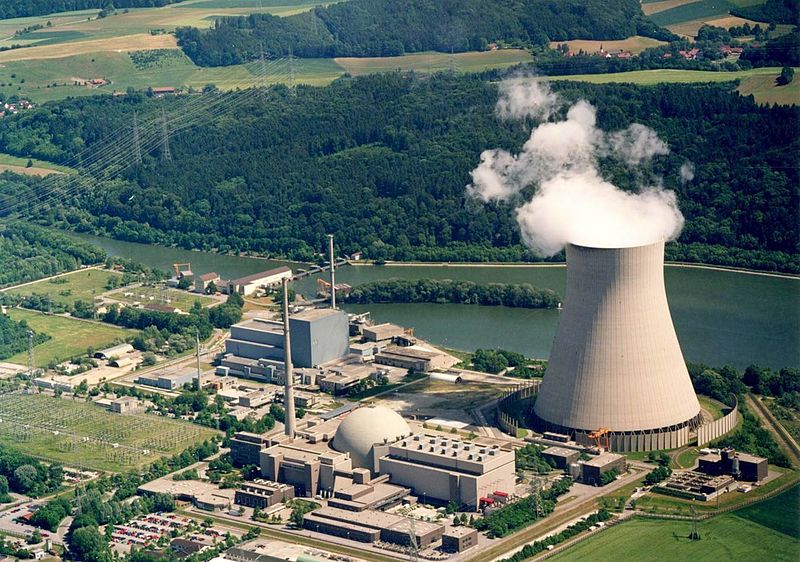
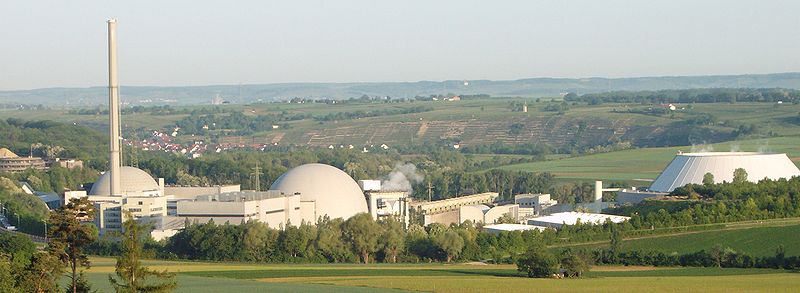
Germans are waking up to a surprise this Easter Monday to find Ukrainian flags at the gates and perimeters of Germany’s three remaining, operational nuclear power plants.

It’s unclear if Ukraine’s freshly-trained troops exploited the quiet weekend on the roads to deploy to the plants in Southern and North-West Germany or if “sleeper cells” had been called into action to take charge of the power plants.

While official comments from Germany’s and Ukraine’s are yet to be issued, foreign policy experts who could be reached for comment at the early hour understand that the annexation of territories may be a consequence of German cabinet Minister Robert Habeck’s visit to Ukraine to discuss aid for Ukraine’s post-war reconstruction. Habeck had declared that it was OK for Ukraine’s existing nuclear power plants to continue operations indefinitely, as long as it was safe.

There is speculation that Ukraine’s leader Volodymyr Zelenskyy may have interpreted Habeck’s comments in the context of German Foreign Minister Annalena Baerbock’s previous declaration that “the wishes of the German people are secondary to the territorial integrity of Ukraine”.

Neckarwestheim
Neckarwestheim
Isar
Isar
Emsland
Emsland

Images via Wikipedia.

Germany’s Bundeswehr is unable to deploy within the country’s borders and the Bundespolizei (Federal Police) is yet to receive specific orders. Escalation to military action may be perceived by foreign powers as Germany shifting its allegiances to Russia.

Meanwhile, the State Police in Baden-Württemberg, Bavaria and Lower Saxony have been called out to preserve the peace around the plants. Access roads have been blocked and the perimeters are being patrolled with only power plant personnel and services allowed to pass.

No plant personnel were prepared to be interviewed.

The reactions of other early risers in the areas have ranged from alarm to bemusement. Of the half-dozen or so others at the sites, only one was prepared to comment beyond courtesies.

Dog walker, a refugee from Ukraine, Ludmila C., staying with a family at a farm outside of Lingen, said that she’d spotted the flag at the gatehouse while she was walking her host’s Doberman around the perimeter of the plant. As she approached to those in the gatehouse, wishing them a Happy Easter in Ukrainian, she was suddenly accosted by local Police and bundled into a van, taken hundreds of metres away and ordered to remain at least 100 metres from the perimeter fence. The dog absconded.

Locals are advised that the now bilingual Doberman, named Blümchen, is quite friendly. Ludmila expects Blümchen to return home of its own accord for breakfast, having sniffed all the interesting fence posts.

Australia Seeks Chief Engineer

By Canberra, Australia correspondent Erica Quarterbee

A draft advertisement for the position of Chief Engineer is circulating through the corridors of power in Canberra.

Bureau of the Chief Engineer AustraliaThe Chief Engineer is to run an independent Bureau to advise on policies relating to technologies and to audit spending on infrastructure and deployment of technologies within all of government. The Bureau of the Chief Engineer will operate as an independent, professional, “corporate consultancy and inspectorate” to the Prime Minister and Cabinet.

Australia has lacked a Science Minister since the installation of the current government. It’s understood that the Prime Minister’s Office wants to install a permanent mechanism by employing independent professionals who are able to interpret the science and technology for relevance and effectiveness.

Continue reading

Bishop Clinches Deal on Iranian Returnees

By Ochsbridge, UK correspondent Summer Rose Winslip-Harrow

Australian Foreign Minister Julie Bishop meets Supreme Fashion Leader Ayatollah KhameneiAustralian Foreign Minister Julie Bishop met with Iran’s Ayatollah Khamenei to conclude negotiations on the repatriation of Iranians refused refugee status. Iran’s right to develop peaceful nuclear power was acknowledged by the Foreign Minister.

A formal, bi-partisan treaty is to be drawn up with specific details. It is understood that Iran will initially accept and guarantee the safety of 2000 returnees; in return for Iran building a 1.4GWe nuclear power plant with mosque in Whyalla, South Australia.

Tap into TEPZILLA

By Yokohama, Japan correspondent Ishni Sunshi

Just over 4 years after the nuclear disaster at the Fukushima Daiichi and its cash-strapped owner TEPCO has spun off a marketing division to start selling its low-radiation water from its 300,000 tonne stockpile of ALPS-treated water under the TEPZILLA brand. While TEPCO isn’t permitted to dump the purified water into the rather more radioactive ocean, the treated water meets all the requirements of safe bottled water for human consumption.
Continue reading

Au Revoir Eiffel Tower. Bonjour Moulin Tricolore

by European correspondents Ahmed Butrosghali (Calais), Yvonne Rückenkratzer (Vaduz), Menno van Spijkergraf (Hilversum), Dieter Ditteldiestel (Düsseldorf) and Sven-Erik Østermark (Wroclaw)

EiffelTricolore

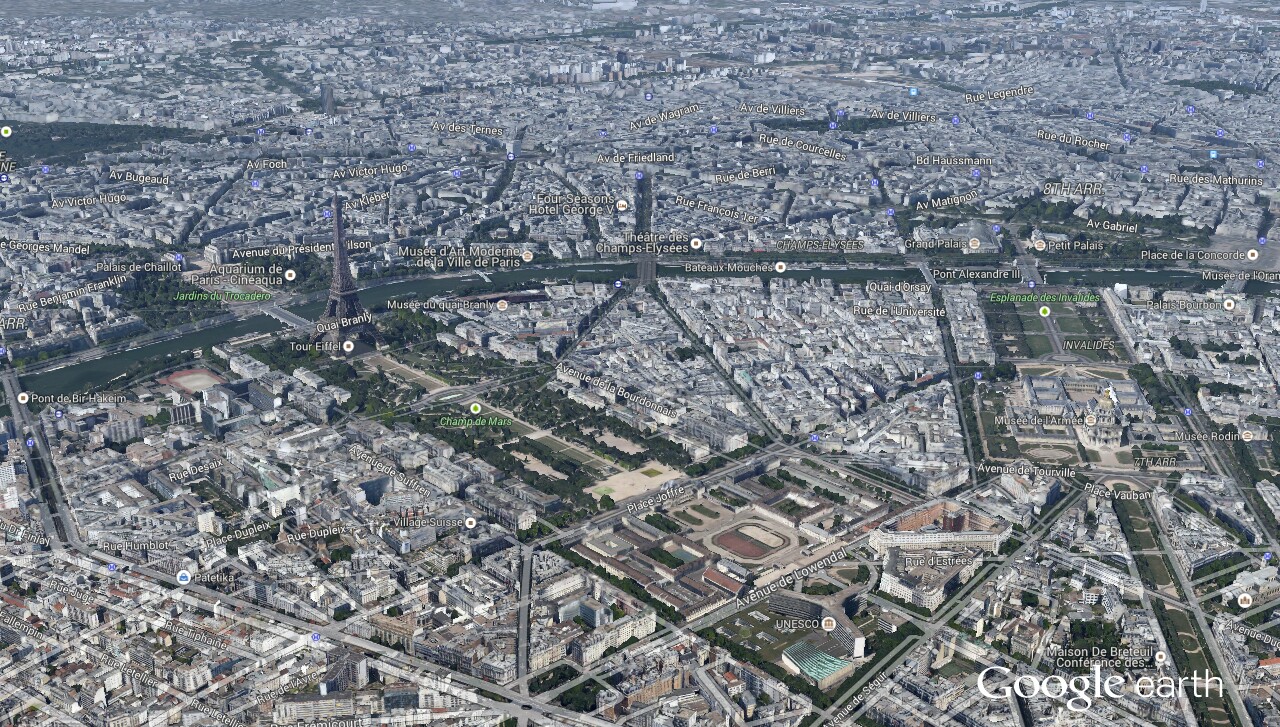
The quarter of Paris to be rejuvinated and energised.

The Eiffel Tower is to be dismantled in the lead up to IPCC’s COP21 at the end of November this year, symbolising France’s contribution to the lowering of carbon emissions.

France’s President François Hollande was delighted to announce planning approval has been granted by the City for a more appropriate 300-metre tall, 12 megawatt wind turbine tower to be installed in its place. Already dubbed Moulin Tricolore by passionate and popular acclaim, the structure is to be completed and opened to the public on Bastille Day, 2020. The complete success of the two wind turbines installed within the old Eiffel Tower earlier this year had encouraged government, environmentalists and city planners to tackle climate change in a big way. Continue reading